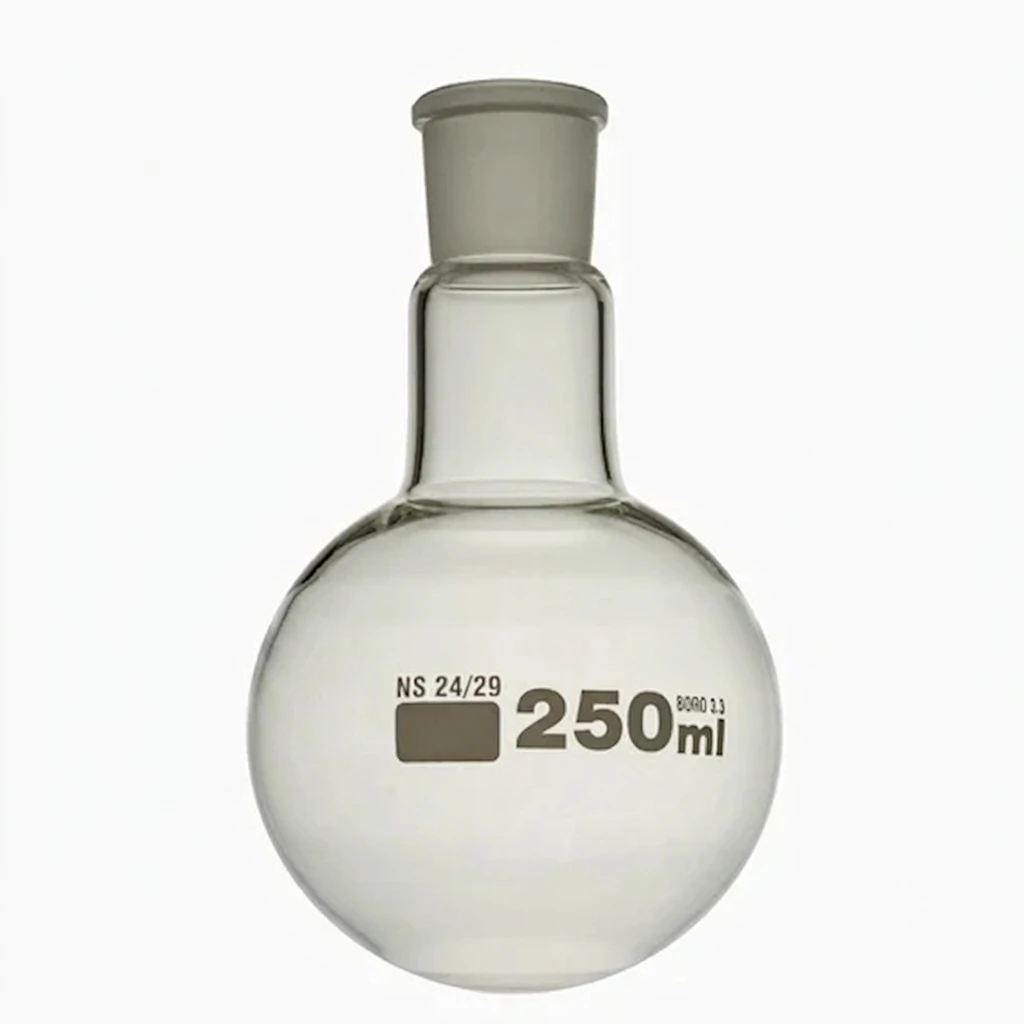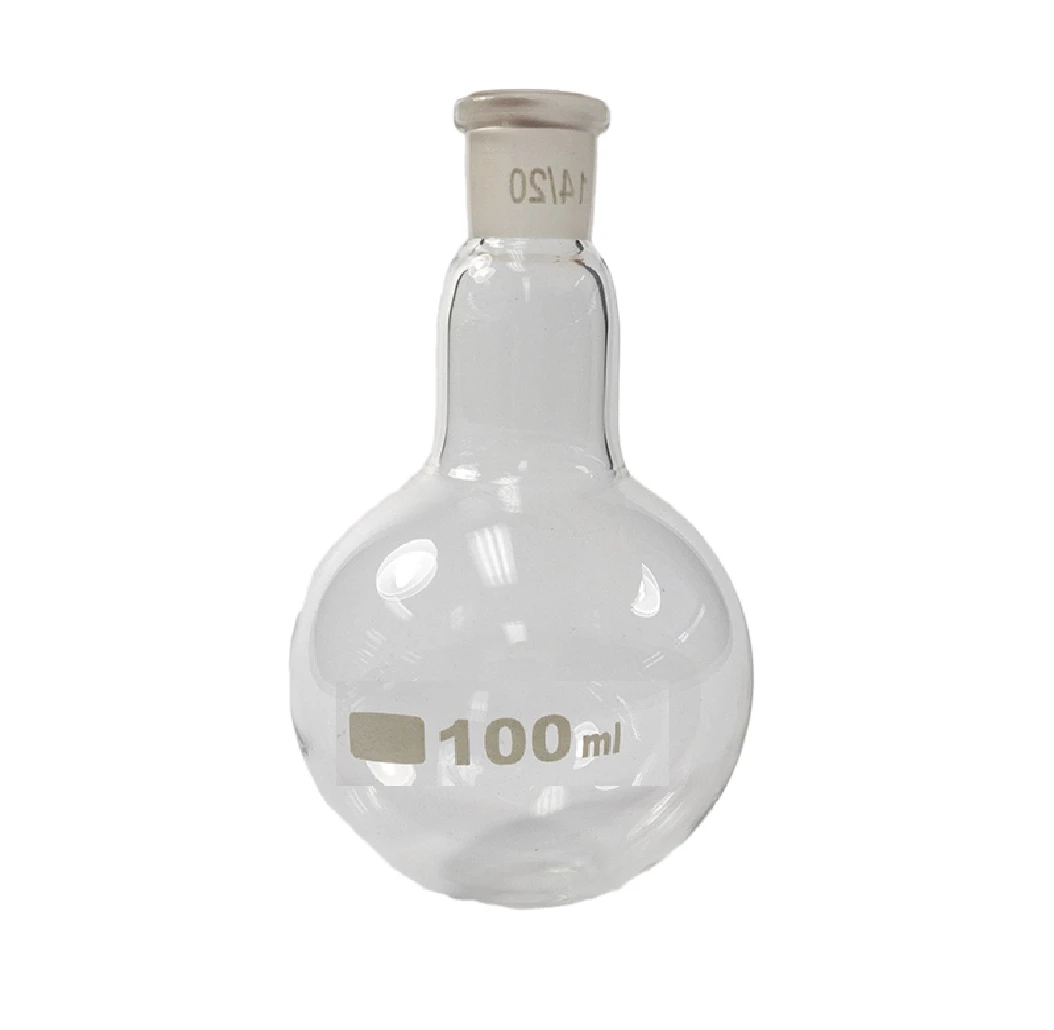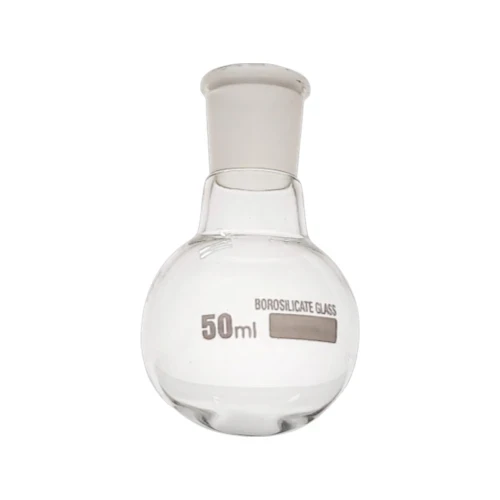




















🧪 Specific Gravity Bottles – Key Features
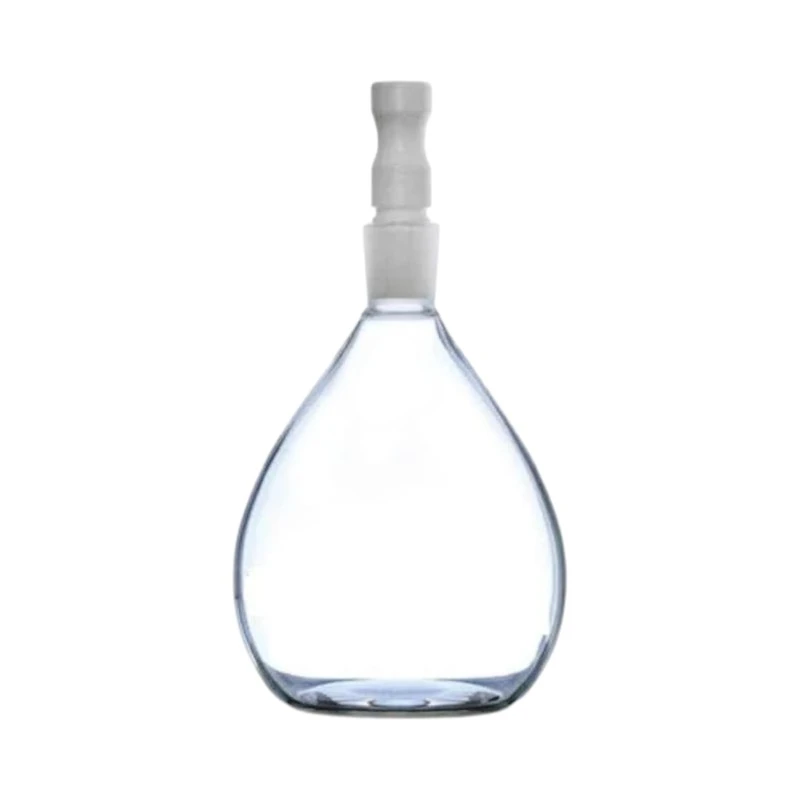
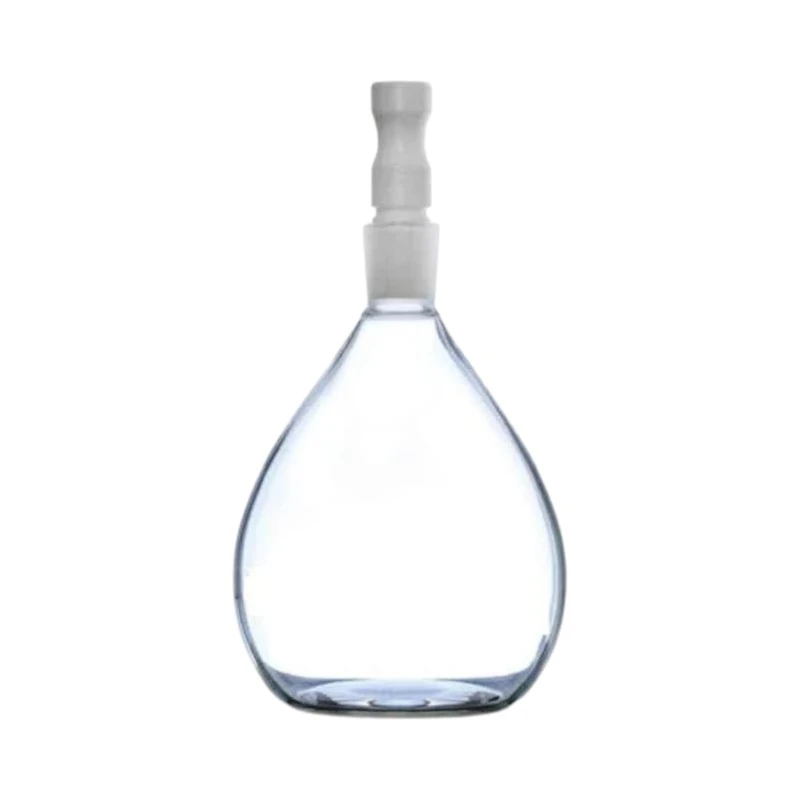
- Precision Volumetric Bottle for Density & Specific Gravity Measurements: A specific gravity bottle is a carefully calibrated glass vessel used to determine the density or specific gravity of liquids and solids by measuring the mass of a known volume of material relative to water. These bottles comply with standards such as ASTM, DIN/ISO 3507 or IS 5717, allowing accurate and repeatable density determinations in laboratory and industrial settings.
- High-quality Construction and Calibration Features: Typically manufactured from borosilicate glass (such as type 3.3) for chemical resistance and thermal stability, these bottles often include a matt-finished enamel mark for labeling, a ground glass or interchangeable capillary stopper, and are made in size options like 10 mL, 25 mL, 50 mL or more.
- Applications Across Laboratories, Industries and Fieldwork: Used in analytical chemistry, materials testing, cement and aggregate testing, food & beverage, petrochemical quality control and educational labs, an SG bottle allows accurate measurement of sample densities—critical for void ratio determination, mix design, quality assurance and research.
- Key Usage Guidelines and Best Practices: To use, clean and dry the bottle, weigh it empty, fill with sample (liquid or weighed solid + water), insert stopper, remove bubbles, weigh again. Using the known volume and mass difference relative to water yields specific gravity. Care must be taken to avoid air bubbles, ensure temperature control, and handle with care due to glass construction.